Regional Licensing Nuances Affecting Mobile Baccarat Play Across Canadian Provinces
Noah Keller · Aug 28, 2026
Regional Licensing Nuances Affecting Mobile Baccarat Play Across Canadian Provinces
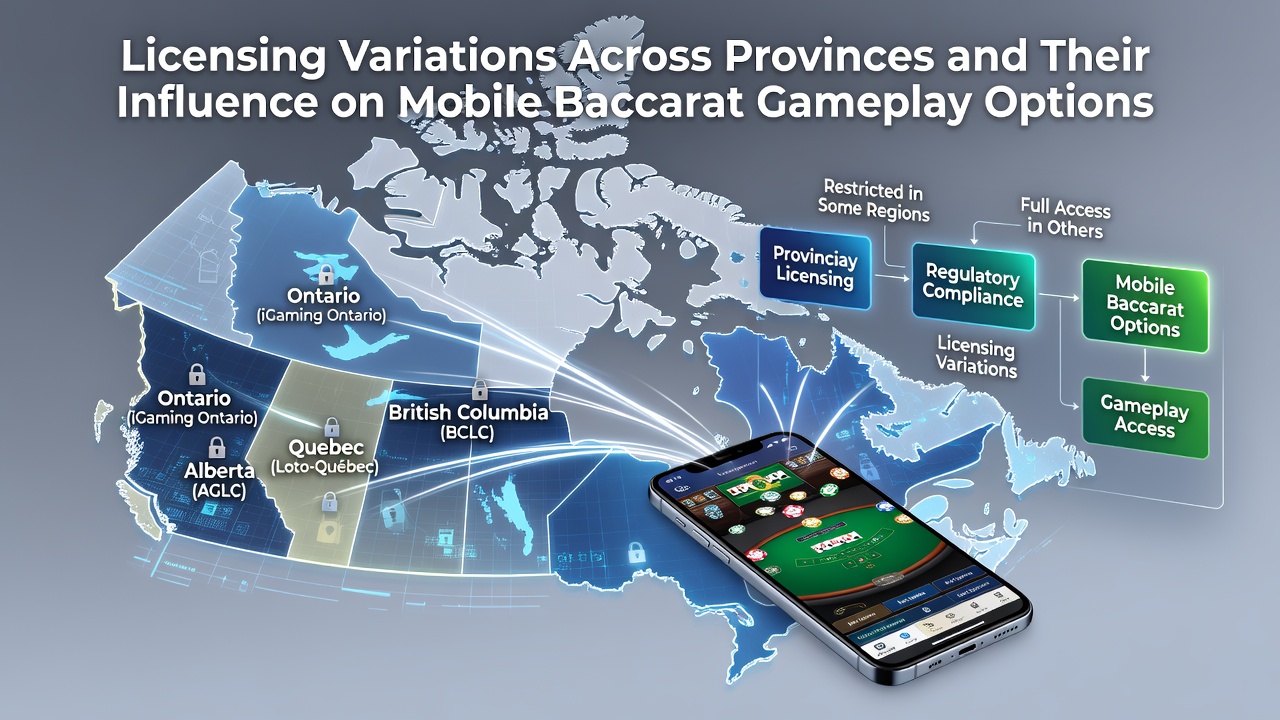
Provincial licensing structures create distinct pathways for mobile baccarat operators, and these differences directly determine which variants reach players along with the technical features that accompany them. Each province maintains its own regulatory body, fee schedules, and technical standards, which means a game approved in one jurisdiction may require substantial modifications before it appears on screens in another. Data from the Canadian Gaming Association shows that approval timelines range from four months in some Atlantic provinces to over eighteen months in others, and those delays often translate into narrower selections of live dealer tables versus RNG formats.
Ontario Framework and Live Dealer Constraints
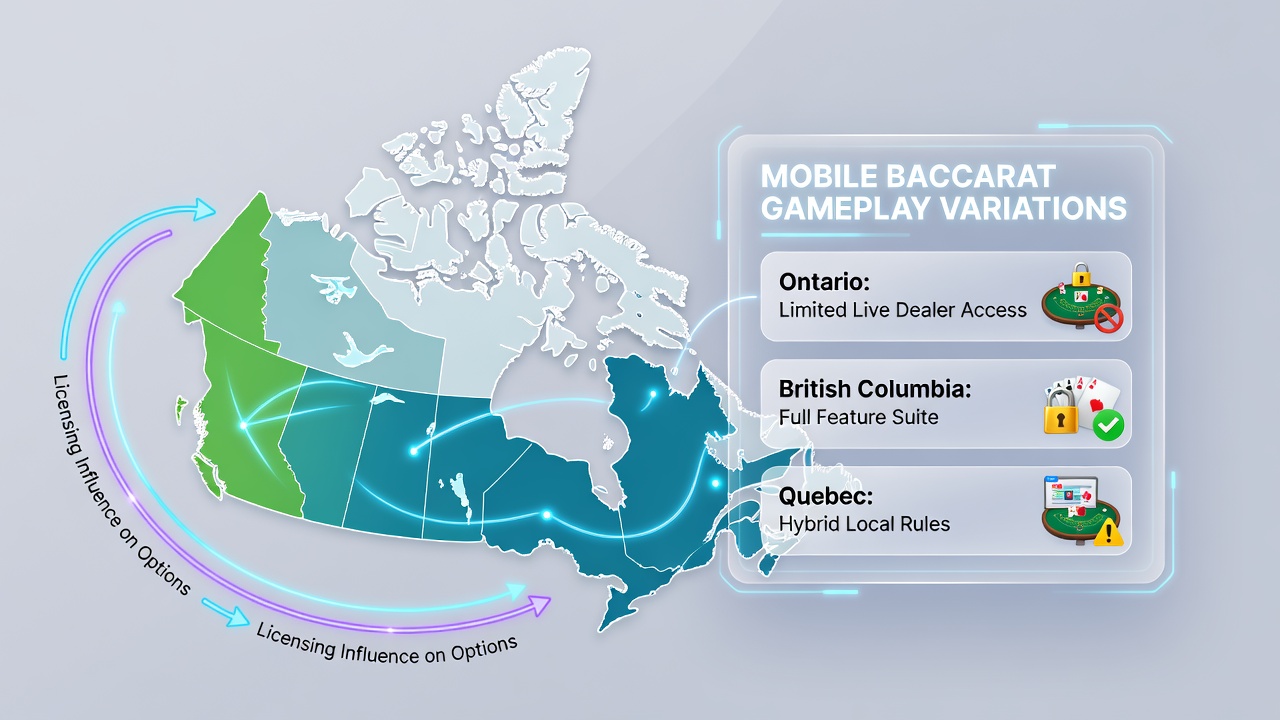
The Alcohol and Gaming Commission of Ontario sets strict server-location requirements that force operators to host live baccarat streams inside approved data centers within the province. This rule limits the number of simultaneous tables because physical studio space and dealer staffing must scale accordingly. Players therefore encounter higher minimum bets on certain Punto Banco variants during peak hours, while Chemin de Fer options appear less frequently because they demand more dealer interaction and therefore higher operational costs under the current fee structure. Figures released by the AGCO indicate that live baccarat handle grew 22 percent year-over-year through 2025, yet the number of distinct variants remained flat, reflecting the capacity ceiling imposed by these licensing conditions.
Quebec and Technical Certification Differences
Quebec’s Régie des alcools, des courses et des jeux applies a certification process that emphasizes random number generator testing cycles conducted every ninety days rather than the six-month intervals common elsewhere. Operators report that this frequency encourages more frequent updates to side-bet mechanics and squeeze animations in mobile baccarat, yet it also raises compliance expenses that smaller providers avoid by limiting their offerings to basic RNG tables. As a result, Quebec residents see a wider array of progressive jackpot baccarat titles compared with neighboring provinces, while live dealer sessions remain capped at lower table counts during evenings when demand spikes.
British Columbia and Cross-Border Integration
British Columbia Lottery Corporation permits operators to integrate content from approved international studios provided those studios meet provincial technical audits. This flexibility has allowed certain baccarat variants that originated in European markets to reach BC players first, including speed-baccarat formats with reduced card-draw animations. However, the same content must undergo separate review before it can appear in Alberta or Saskatchewan, creating staggered release schedules across the western provinces. Industry reports note that BC saw a 31 percent increase in mobile baccarat sessions during the first half of 2026, attributed in part to these cross-border licensing allowances.
Atlantic Provinces and Limited Variant Pools
Atlantic Lottery Corporation oversees four provinces under a shared licensing umbrella that reduces duplication yet also concentrates decision-making authority. Because the corporation maintains a single approved game library for Nova Scotia, New Brunswick, Prince Edward Island, and Newfoundland and Labrador, operators introduce new baccarat variants only after the entire region clears the title. This collective approach produces slower rollout of niche options such as mini-baccarat or baccarat banque, although it ensures uniform responsible-gaming controls across all four jurisdictions. Observers note that mobile session lengths in these provinces average 12 percent shorter than the national mean, a pattern linked to the narrower range of available gameplay styles.
August 2026 Regulatory Updates
Beginning in August 2026, Alberta will require all mobile baccarat operators to implement real-time bet-limit synchronization across devices, a measure intended to align with existing land-based casino policies. The change follows a pilot program conducted earlier in the year and will affect both live and RNG formats, potentially reducing the maximum wager displayed on certain tables until operators complete the necessary backend adjustments. Similar synchronization rules already exist in Manitoba, where data collected since 2024 shows a 9 percent drop in high-limit table usage after implementation.
Conclusion
Provincial licensing variations continue to shape which baccarat variants appear on Canadian mobile screens and under what technical constraints. Operators balance compliance costs against market demand, while players experience different selections depending on their location. As regulatory bodies refine their standards through 2026 and beyond, these differences will keep influencing gameplay options in measurable ways, according to reports from the Canadian Gaming Association and provincial lottery corporations.