Provincial Licensing Frameworks Shaping Mobile Baccarat Variant Selection Across Canada
Blake Schmitz · Aug 18, 2026
Provincial Licensing Frameworks Shaping Mobile Baccarat Variant Selection Across Canada
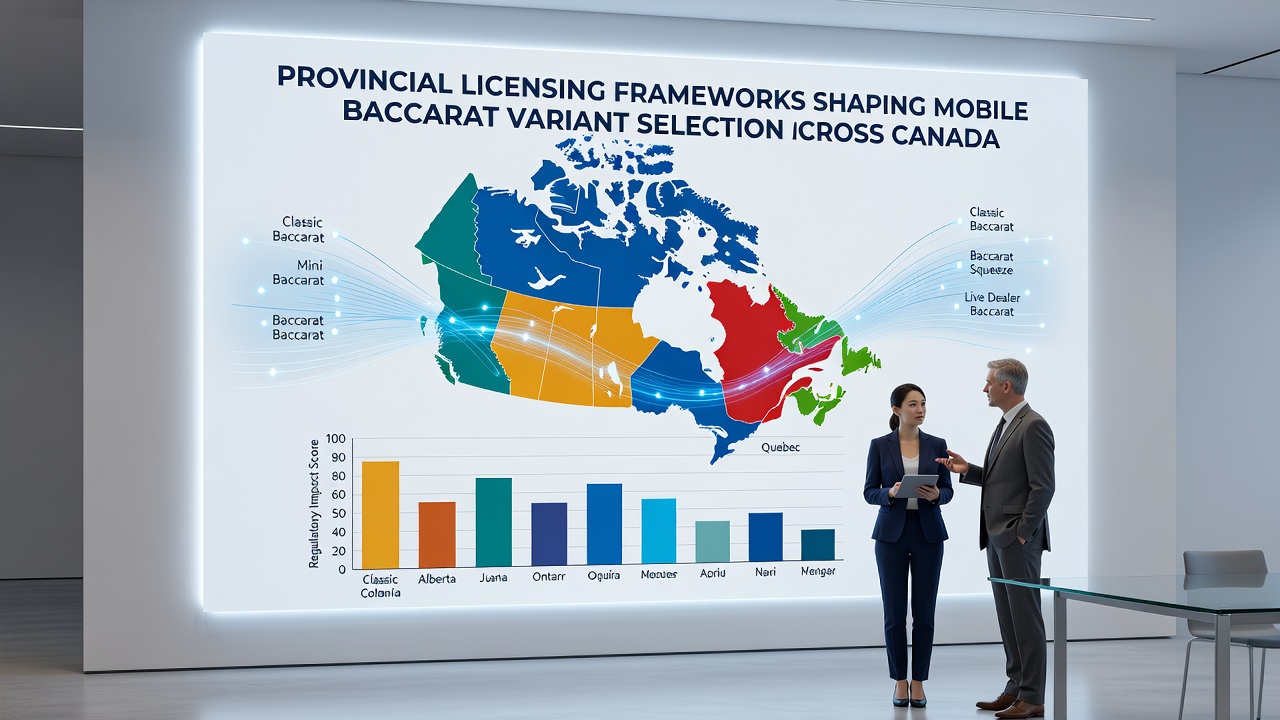
Provincial licensing frameworks across Canada establish distinct rules that directly control which mobile baccarat variants operators may offer to residents, creating a patchwork of approved game types from standard punto banco to live dealer formats and specialized side-bet options.
Ontario's Regulatory Structure and Game Approvals
Ontario's Alcohol and Gaming Commission oversees iGaming through a licensing system that requires operators to submit detailed variant specifications before launch, and data from the commission shows that approved mobile baccarat titles must meet technical standards for random number generation and live streaming integrity. This process has led to widespread availability of variants such as mini-baccarat and speed baccarat on regulated platforms, while restricting certain high-volatility side bets until further compliance reviews occur.
Operators active in the province report that the framework encourages innovation in mobile interfaces, yet each new variant undergoes testing that can extend approval timelines by several months. Research from Canadian gaming associations indicates steady growth in baccarat participation tied to these controlled releases, particularly after the expansion of the regulated market in prior years.
British Columbia and Quebec Approaches to Variant Limits
British Columbia's gaming authority applies a centralized approval model through its lottery corporation, which evaluates mobile baccarat variants for player protection features before integration with provincial apps, resulting in a narrower selection focused on classic punto banco and chemin de fer adaptations optimized for smaller screens. Meanwhile, Quebec maintains separate oversight that emphasizes French-language interfaces and localized payout structures, allowing operators to feature additional variants like baccarat banque when they align with cultural preferences and technical audits.
Those who track cross-provincial trends note that these differences create distinct player experiences, with British Columbia favoring streamlined RNG options and Quebec permitting more hybrid live-RNG combinations under strict licensing conditions. Figures from industry reports reveal that such variations influence operator strategies when expanding mobile offerings into multiple jurisdictions simultaneously.

Atlantic Provinces and Prairie Region Developments
Atlantic provinces including Nova Scotia and New Brunswick operate through shared regulatory bodies that coordinate licensing for mobile gambling, and these frameworks have historically prioritized established baccarat variants over experimental ones to maintain consistent oversight across smaller markets. In the Prairie provinces such as Alberta and Saskatchewan, licensing emphasizes partnerships with land-based casinos, which shapes mobile selections toward variants that mirror in-person experiences like traditional baccarat with enhanced mobile tracking tools.
What's interesting is how these regional approaches intersect with federal guidelines on responsible gaming, prompting operators to adjust variant availability based on provincial audits that occur at regular intervals. Data shows that provinces with more collaborative licensing models often see faster rollout of updated baccarat features compared to those maintaining fully independent reviews.
Impact on Mobile-Specific Features and August 2026 Outlook
Mobile baccarat variant selection also depends on how each province interprets technical requirements for features like touch-optimized betting and real-time dealer interactions, leading some frameworks to approve progressive jackpot versions while others limit them to fixed-payout structures. Observers note that operators must navigate these rules carefully when designing apps that serve users across borders, often resulting in geo-restricted catalogs that reflect the strictest applicable standards.
Projections for August 2026 point to potential harmonization efforts among certain provinces that could expand approved mobile baccarat variants, particularly those incorporating advanced encryption and player verification protocols already tested in leading jurisdictions. According to provincial gaming commission reports, these shifts may allow greater diversity in side-bet options without compromising established safety measures.
Broader Industry Patterns and Cross-Border Influences
Industry organizations tracking Canadian gambling have documented how licensing differences drive operators to prioritize variants that satisfy multiple provincial criteria at once, reducing development costs while maximizing reach. A study from an international research institution highlights parallel trends in other federated systems where regional rules shape game libraries, though Canada's approach remains uniquely decentralized.
People who follow regulatory updates observe that successful operators often maintain separate compliance teams for each province, ensuring that mobile baccarat offerings evolve in line with local licensing cycles rather than a single national standard. This structure supports continued growth in regulated mobile play while preserving provincial authority over variant approvals.
Conclusion
Provincial licensing frameworks continue to define the boundaries of mobile baccarat variant selection across Canada through detailed approval processes, technical standards, and ongoing audits that differ by region. These systems produce varied player experiences while supporting responsible expansion of gaming options, with upcoming changes around August 2026 likely to refine rather than overhaul existing patterns. Operators and regulators alike adapt to these conditions, resulting in a dynamic yet controlled environment for mobile baccarat across the country.